What Is Sound Healing
What Are Gongs?
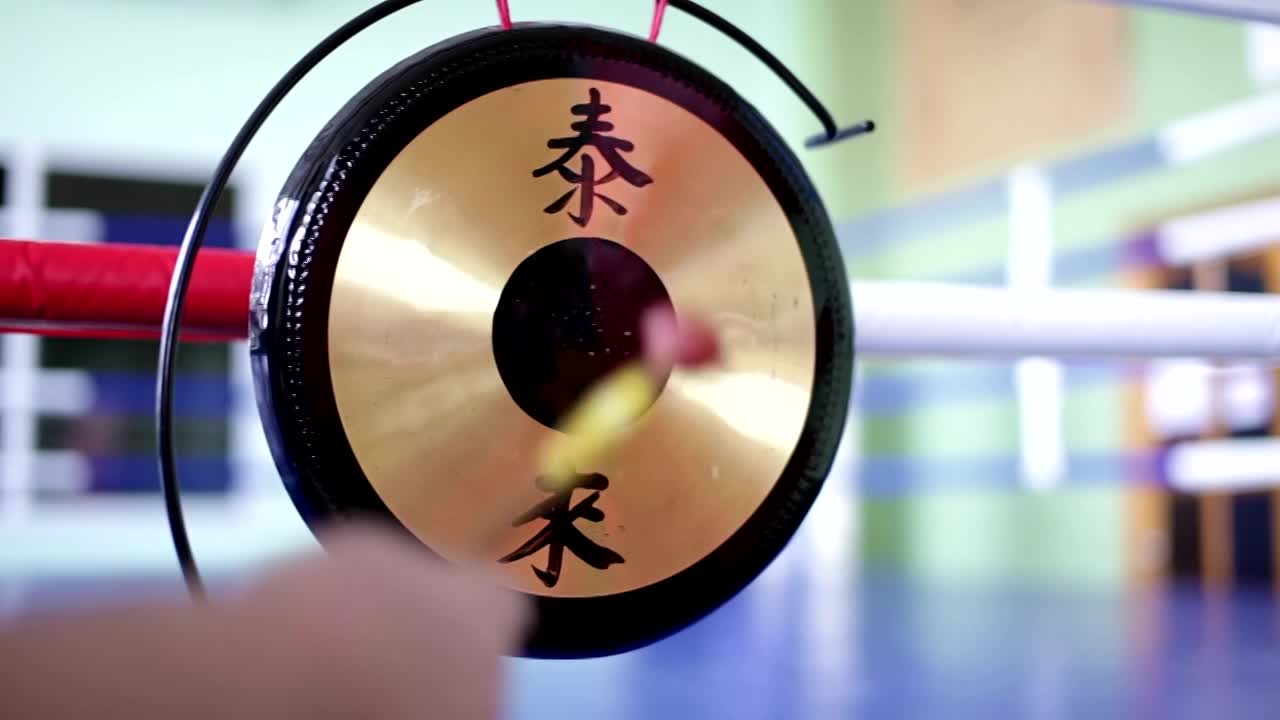
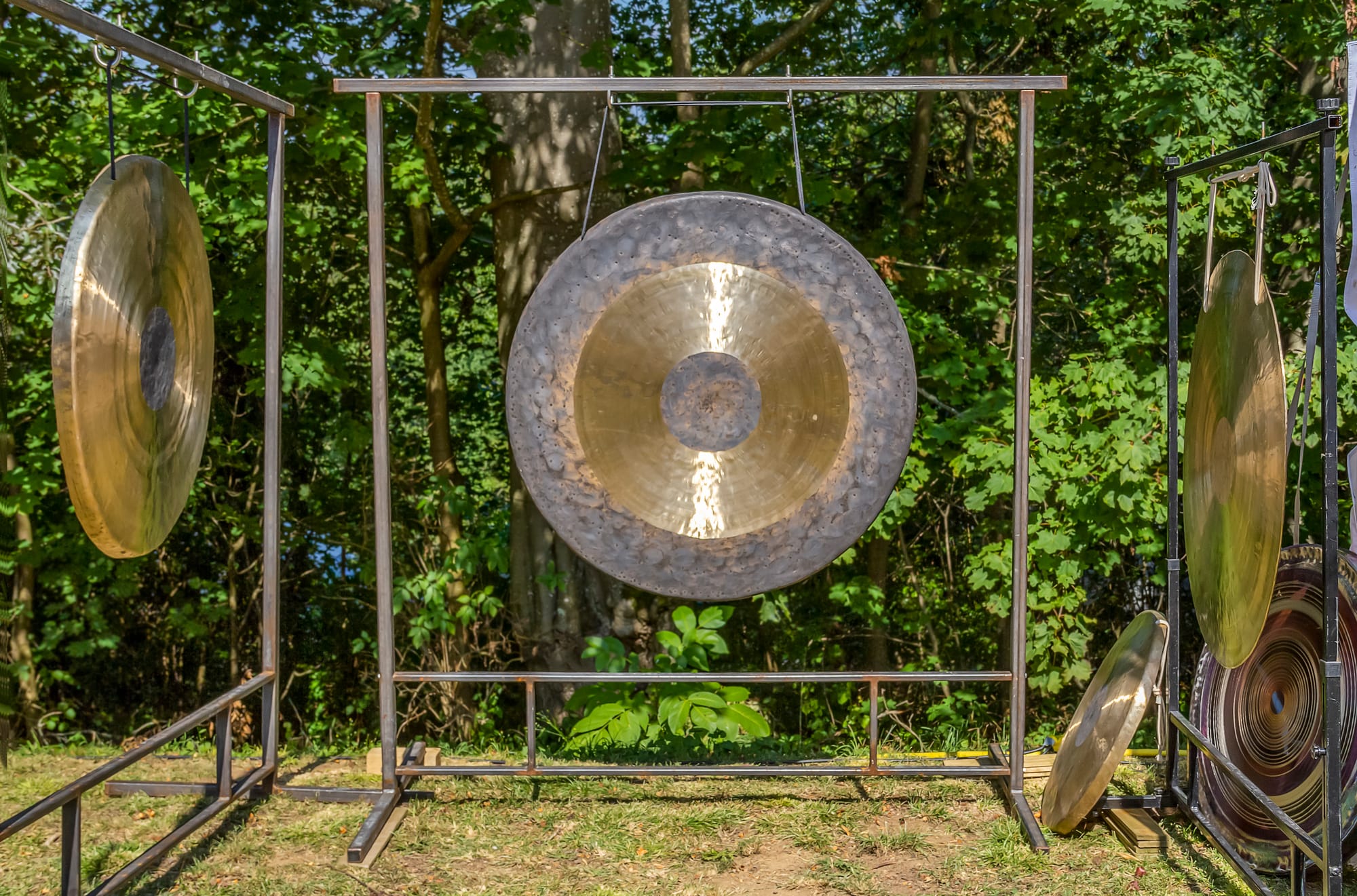
A gong is a percussion instrument made from a circular metal disc, typically bronze or brass, that produces a resonant sound when struck with a mallet. The history of the gong dates back to the Bronze Age, with its earliest known origins in Central Asia around 3500 BC, though evidence also points to ancient China and Southeast Asia (particularly northern Vietnam) as early centers of development. Used for centuries in ceremonies, rituals, and musical ensembles, gongs spread from regions like China and Java via trade routes, eventually reaching Europe in the 18th centur,y where they were incorporated into Western symphonic music.
How To Play Polearm Ball and Healing Sounds
Geographic centers: Early manufacturing centers were located in what are now China, Indonesia, Burma, and Annam (Vietnam), with the word "gong" itself coming from Javanese.
Ceremonial and ritual use: In ancient cultures, gongs were used for communication, signaling events, in religious and spiritual practices, and as war drums.
Chinese traditions: In China, the earliest written mention is from the 6th century, and gongs were used in ceremonies and healing rituals. They were also associated with spiritual practices and believed to have healing properties.
Spread and Evolution
Migration: Gongs spread through trade routes, reaching other parts of Asia, such as Japa,n and became integral to ensembles like the Javanese gamelan.
Cultural significance: The gong held significant cultural and status-symbol importance in many Asian families.
European adoption: European classical composers began to use the gong in the 18th century, with François Joseph Gossec being one of the first to include a tam-tam (a suspended gong) in a symphony in 1791.
Modern Use
Symphonic orchestras: The gong became a feature in Western symphonic orchestras, adopted by composers like Berlioz, Wagner, and Tchaikovsky.
Contemporary music and therapy: Today, gongs are used in modern music and have seen a resurgence in popularity for their use in music therapy and wellness practices.